About Synexar

Building the AI-native operating system for procedural healthcare.

We believe healthcare's most valuable resource is not technology. It is the time and expertise of the people who deliver care.

Founders & Advisors

Built by people who understand the problem.

Synexar combines frontline procedural-care experience with enterprise software, AI, interoperability, and perioperative workflow expertise.

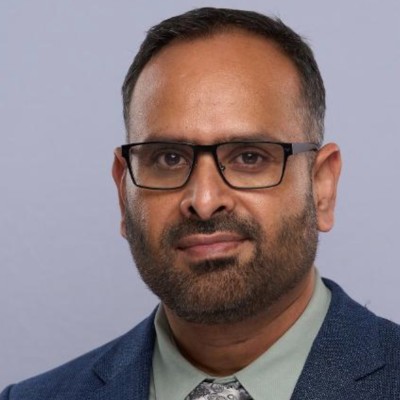
Dr. Ashutosh Gupta

Dr. Ashutosh Gupta

Co-founder & CEO

Board-certified gastroenterologist. Leads the GI service line at a 15-facility DFW health system. Performs colonoscopies, EGDs, and ERCPs. The clinical architect of Synexar's procedural workflows.

LinkedIn
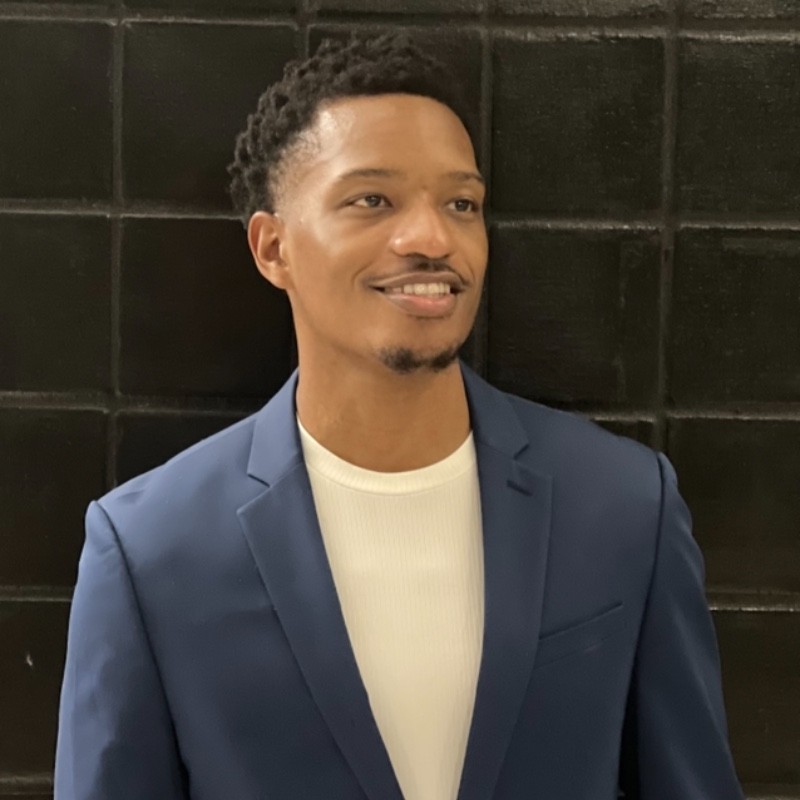
Raghuram Vadapally

Raghuram Vadapally

Co-founder & CTO

20+ years of technology experience across financial services and healthcare. AI and machine-learning practitioner, enterprise architect, and builder of Synexar's backend, clinical AI, interoperability, and deployment infrastructure.

LinkedIn
Dr. Stephen Campbell

Dr. Stephen Campbell

Advisor, Anesthesia Platform

Chief Medical Officer at OrthoMed Anesthesia. Board-certified anesthesiologist based in Plano, TX, bringing perioperative expertise to Synexar's anesthesia workflow and documentation design.

LinkedIn
Why We Exist

Return time to care.

Every hour physicians, nurses, anesthesiologists, and care teams spend navigating fragmented systems is an hour taken away from patients.

For decades, healthcare software has focused on digitizing paperwork. Paper forms became electronic forms. Filing cabinets became electronic health records. Yet procedural care continues to rely on disconnected applications, repetitive documentation, manual coordination, and administrative overhead.

We believe artificial intelligence creates an opportunity to rethink that model from first principles.

  • Not by replacing clinicians.
  • Not by automating clinical judgment.
  • But by removing the friction that surrounds it.

That belief became Synexar.

Our Mission

Clinical capacity is the constraint.

Healthcare's greatest constraint is not a shortage of dedication.

It is a shortage of clinical capacity.

Physicians and care teams are among the most highly trained and valuable professionals in our society, yet too much of their day is consumed by documentation, coordination, repetitive workflows, and disconnected software.

Return time to clinicians by building intelligent systems that reduce administrative burden, unify fragmented workflows, and allow care teams to focus on what matters most: caring for patients.

Every minute we return to a physician is another minute available for patient care.

Built From Both Sides

Clinical reality and enterprise systems discipline.

Synexar was founded by a practicing gastroenterologist and an enterprise software architect.

One understands the realities of procedural medicine firsthand.

The other has spent more than two decades designing enterprise platforms, workflow engines, data systems, and AI-powered software for mission-critical industries.

If procedural healthcare software were designed today, in the era of AI, what would it look like?

The answer was not another documentation system.

It was an entirely new way of designing clinical workflows.

Our Platform

One architecture. Connected workflows.

Today, Synexar is building an AI-native platform for procedural healthcare.

Synexar GI
AI-native procedural documentation, workflow automation, clinical intelligence, and quality reporting.
Synexar AIMS
Intelligent anesthesia workflow and perioperative management.
Synexar Patient Connect
Patient readiness, engagement, and operational visibility from scheduling through procedure day.

Together, these products share a common AI-native architecture, enabling information to flow across patient engagement, clinical workflows, documentation, interoperability, quality reporting, and operational intelligence.

Our Vision

Replace fragmented software with intelligent workflows.

Healthcare organizations depend on dozens of disconnected systems that each solve a single problem: documentation, scheduling, patient intake, anesthesia, quality reporting, billing, interoperability, communication, and analytics.

Individually, many of these systems perform their function well.

Collectively, they create fragmented workflows, duplicate data entry, administrative burden, and operational blind spots.

We believe the future is not another collection of point solutions. It is a unified, AI-native operating system that connects the entire procedural journey, from patient scheduling and preparation through the procedure, documentation, quality reporting, interoperability, operational intelligence, and continuous follow-up.

We are building that platform one workflow at a time. We begin by solving immediate, high-value problems for physician practices and ambulatory surgery centers. As those workflows become connected, the platform naturally expands to support larger healthcare organizations without changing its core philosophy.

Our ambition is straightforward: replace fragmented software with intelligent workflows.

Our Philosophy

AI should eliminate unnecessary work.

We do not believe AI should replace clinicians.

We believe AI should eliminate unnecessary work.

The best healthcare software should be almost invisible: quietly connecting workflows, reducing administrative burden, surfacing the right information at the right time, and allowing highly skilled professionals to focus on what only they can do: delivering exceptional patient care.

That philosophy guides every product we build.

Documentation is only the beginning.

We believe the future of procedural healthcare is built on connected clinical workflows, patient readiness, interoperability, operational intelligence, and AI-native systems that continuously improve alongside the organizations they serve.

Great platforms are not built by replacing everything at once. They are built by solving one meaningful workflow exceptionally well, earning trust, and expanding from there.

That is how we are building Synexar: one connected workflow at a time, with a long-term vision of becoming the intelligent operating system for procedural healthcare.

Request a Demo Explore the Platform